Nouvelles des ports

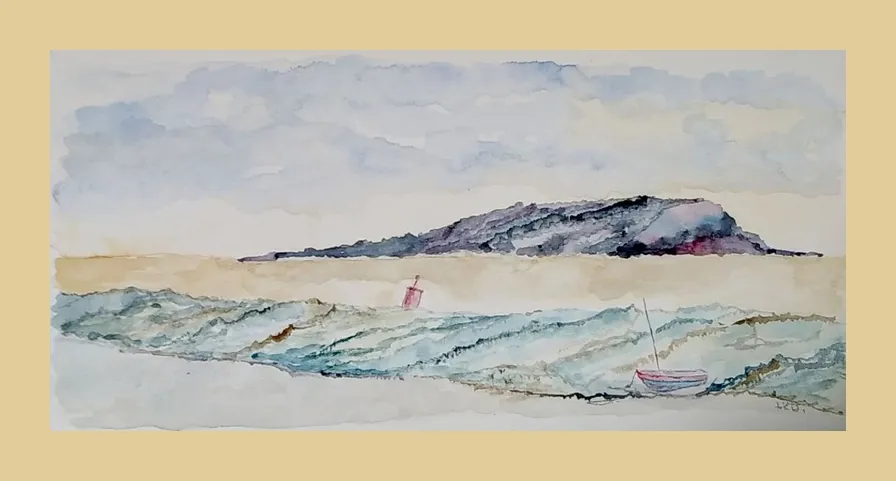
aquarelle marine - marine watercolor

Rafiots et compagnies

aquarelle marine cargo au mouillage - marine watercolor cargo ship at anchor

Nouvelles des escales

aquarelle marine - marine watercolor


L'Écho de Paris


LÉcho de Paris 1923 12 10 procès germano américain. A CURIOUS TRIAL IN THE GRAND DUCHY OF BADEN  (From our private correspondent) Berlin, December 9. A particularly interesting political trial, in which Americans and a Frenchman are involved, has just opened before the Mosbach court. On August 10, two individuals, a Swiss, Schmidt, and a Frenchman, Sterben, attempted to seize by force a German-American, Bergdoll, wanted by the American government, with the intention of transporting him to busy. The attack occurred at night, in a hotel in Eberbach, a small town located in the Black Forest, some distance from the Rhine. Bergdoll, managing to use his revolver, killed Schmidt and seriously injured Sterben. A few moments later, the German police discovered an American army automobile at the entrance to the city. American lieutenant Griffith and his driver Nelson were arrested, along with a Russian, the Duke of Gagarin, suspected of having prepared the attack. For several years, Bergdoll's adventures have fascinated American opinion. Major newspapers in the United States have special correspondents currently attending the trial. A representative of the American consul also follows the debates. Bergdoll is the son of a German who emigrated to America in his youth and who made a considerable fortune as an industrialist. When the United States entered the war, the two sons of the great German-American industrialist refused to be incorporated and take up arms against Germany. Both were arrested; but one, Grover Bergdoll, managed to escape shortly after in rather strange conditions. Grover Bergdoll claimed to have buried a considerable sum of money in the ground and asked to be able to go to the desired location to dig up his treasure. During the trip, he managed to leave the two police officers who were responsible for guarding him. He then passed through Canada and found a way to reach Germany. From that time on, the American government put a price on Bergdoll's head, for a significant sum. Since the war, the American Officers Association has always had the hope of making deserters pay their penalty. Already, in 1921, a first attack against Bergdoll, carried out by the American detective Reas, had failed. Today, before the Mosbach court, Lieutenant Griffith explained, in a manner that does him credit, the reasons for his action. The American officer declared that he had come to France, in May 1922, as a representative of the American Legion, to participate in the inauguration of the large American cemetery located in Romain. It was in front of the graves of his colleagues who died on the field of honor and with the idea of avenging them that Griffith conceived the plan to deliver Bergdoll to American justice. In Paris, he shared his project with a large number of officers who approved it with enthusiasm. Griffith then began to prepare for his expedition. He entered into relations with a Russian, the former Duke of Gagarin, whom he instructed to go to Eberbach, to monitor Bergdoll. Through the Léoni Private Police Institute, he also hired two men in Paris, Schmidt and Sterben, whom he charged with seizing the person of the American deserter. We know the unfortunate way in which his adventure subsequently turned out. As the president of the German court pointed out to Lieutenant Griffith that five years had passed between the end of the war and the moment of the attack, the American officer replied with manly energy: “Infamy such as desertion does not fade with the years. » The attitude of the American officer, during his testimony, was that of a perfect patriot. The German people still believe in a return of American opinion in favor of Germany. The Mosbach trial gives him an example of the true mentality of these millions of men who came generously to offer their lives on the battlefields of France.  OF VILLEMUS.

A CURIOUS TRIAL IN THE GRAND DUCHY OF BADEN

(From our private correspondent)
Berlin, December 9.
A particularly interesting political trial, in which Americans and a Frenchman are involved, has just opened before the Mosbach court.
On August 10, two individuals, a Swiss, Schmidt, and a Frenchman, Sterben, attempted to seize by force a German-American, Bergdoll, wanted by the American government, with the intention of transporting him to busy. The attack occurred at night, in a hotel in Eberbach, a small town located in the Black Forest, some distance from the Rhine. Bergdoll, managing to use his revolver, killed Schmidt and seriously injured Sterben. A few moments later, the German police discovered an American army automobile at the entrance to the city. American lieutenant Griffith and his driver Nelson were arrested, along with a Russian, the Duke of Gagarin, suspected of having prepared the attack.
For several years, Bergdoll's adventures have fascinated American opinion. Major newspapers in the United States have special correspondents currently attending the trial. A representative of the American consul also follows the debates.
Bergdoll is the son of a German who emigrated to America in his youth and who made a considerable fortune as an industrialist. When the United States entered the war, the two sons of the great German-American industrialist refused to be incorporated and take up arms against Germany.
Both were arrested; but one, Grover Bergdoll, managed to escape shortly after in rather strange conditions. Grover Bergdoll claimed to have buried a considerable sum of money in the ground and asked to be able to go to the desired location to dig up his treasure. During the trip, he managed to leave the two police officers who were responsible for guarding him. He then passed through Canada and found a way to reach Germany.
From that time on, the American government put a price on Bergdoll's head, for a significant sum. Since the war, the American Officers Association has always had the hope of making deserters pay their penalty. Already, in 1921, a first attack against Bergdoll, carried out by the American detective Reas, had failed.
Today, before the Mosbach court, Lieutenant Griffith explained, in a manner that does him credit, the reasons for his action.
The American officer declared that he had come to France, in May 1922, as a representative of the American Legion, to participate in the inauguration of the large American cemetery located in Romain. It was in front of the graves of his colleagues who died on the field of honor and with the idea of avenging them that Griffith conceived the plan to deliver Bergdoll to American justice. In Paris, he shared his project with a large number of officers who approved it with enthusiasm. Griffith then began to prepare for his expedition. He entered into relations with a Russian, the former Duke of Gagarin, whom he instructed to go to Eberbach, to monitor Bergdoll. Through the Léoni Private Police Institute, he also hired two men in Paris, Schmidt and Sterben, whom he charged with seizing the person of the American deserter. We know the unfortunate way in which his adventure subsequently turned out.
As the president of the German court pointed out to Lieutenant Griffith that five years had passed between the end of the war and the moment of the attack, the American officer replied with manly energy:
“Infamy such as desertion does not fade with the years. » The attitude of the American officer, during his testimony, was that of a perfect patriot.
The German people still believe in a return of American opinion in favor of Germany. The Mosbach trial gives him an example of the true mentality of these millions of men who came generously to offer their lives on the battlefields of France.

de VILLEMUS.